Archive for the 'Advocacy' Category (Page 2)
-
Are You Ready for the National Bike Challenge?
Posted on April 21, 2013 | No CommentsThe National Bike Challenge runs from May 1st through September 30th. Last year, Kansas had some of the top individuals and teams in the entire country. Do your state proud by riding your bike and logging your miles in 2013!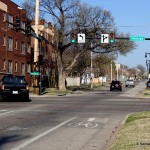
Exploring Wichita By Bike
Posted on April 10, 2013 | 2 CommentsSome photos and stories of a recent trip to Wichita, and bicycling through the historic downtown.
Arkansas 3-Foot Passing Law Educational Campaign
Posted on March 18, 2013 | No CommentsThe city of North Little Rock, Arkansas has launched a media campaign to raise public awareness about their bicycle passing law, becoming the first community in their state to take the initiative to educate motorists and cyclists about this critical safety law.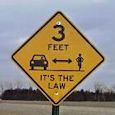
New 3-Foot Passing Signs in Harvey County, Kansas
Posted on March 5, 2013 | 3 CommentsLocal cyclists in Harvey County, Kansas have recently taken the initiative to have 70 signs erected around the county, educating motorists about the Kansas 3-Foot Passing Law. Well done!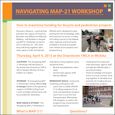
Free MAP-21 Training in Wichita April 4th
Posted on March 4, 2013 | No CommentsThis Wichita workshop is a great opportunity to learn about how to navigate the new Transportation Alternatives program that provides funding for bicycle and pedestrian projects through the federal MAP-21 transportation bill.
Kansans Headed to the National Bike Summit
Posted on March 3, 2013 | No CommentsThe 2013 National Bike Summit is March 4-6 in Washington, D.C., and there is a delegation of Kansans attending this year’s summit to meet with our Senators and Representatives to deliver the message that 'Bicycling Means Business'.
Valley Center Bike Plan Open House February 19
Posted on February 18, 2013 | 1 CommentThe city of Valley Center, Kansas is holding an open house on Tuesday, February 19th to present their draft Pedestrian and Bicycle Facilities Master Plan.
Wichita Bicycle Master Plan Approved
Posted on February 6, 2013 | No CommentsThe Wichita City Council has unanimously endorsed the Wichita Bicycle Master Plan, the creation of the Wichita Bicycle and Pedestrian Advisory Board, and the submission of the recommended City of Wichita TE applications. Congrats, Wichita cyclists!
Black Hawk Colorado Bike Ban Overturned
Posted on February 5, 2013 | No CommentsThe Colorado Supreme Court has overturned the bicycle ban in Black Hawk, Colorado, ruling that bicycle laws are a matter of both state and local concern, and that city laws must be consistent with state law.Wichita Bicycle Master Plan Presentation February 5th
Posted on February 4, 2013 | 2 CommentsThe new Wichita Bicycle Master Plan is scheduled to be presented to the Wichita City Council on February 5th. Individuals who wish to provide public comments are encouraged to do so either in person at the meeting or in writing.-
Follow / Subscribe