Archive for the 'Colorado' Category
-
Checking In On BikeTown USA
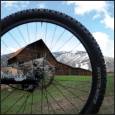
Posted on May 20, 2013 | No CommentsA few years ago, Steamboat Springs, Colorado set an ambitious goal: to become 'BikeTown USA'. Here's an in-depth look at their progress, and continuing challenges, towards reaching that goal.
Black Hawk Colorado Bike Ban Overturned
Posted on February 5, 2013 | No CommentsThe Colorado Supreme Court has overturned the bicycle ban in Black Hawk, Colorado, ruling that bicycle laws are a matter of both state and local concern, and that city laws must be consistent with state law.
Steamboat Springs Aims to Become BikeTown USA
Posted on April 9, 2010 | 1 CommentSteamboat Springs, Colorado, already a silver-level bicycle-friendly community, is aiming even higher: to become one of the nation's top biking destinations. It just might happen, too.
Colorado Springs Road Rager Threatens Cyclist with Handgun
Posted on April 6, 2010 | 3 CommentsIn Colorado Springs, Colorado, an altercation between a motorist and cyclist ended with police arresting the driver on suspicion of felony menacing and aggravated robbery.
The Ordway Trail Angel is Back
Posted on March 30, 2010 | No CommentsTrail Angel Gillian Hoggard's home in Ordway, Colorado is once again open for cyclists on the TransAmerica Bicycle Route, after being destroyed by fire in 2008.
Little Cyclists Learn Mountain Biking Skills
Posted on December 17, 2009 | 1 CommentMountain bike clinics in Boulder, Colorado teach little cyclists mad skills at the Boulder Indoor Cycling facility. How cute!
3-2-1 Courtesy Code
Posted on December 11, 2009 | 1 CommentBicycle Colorado is introducing a new education campaign for safer roads – the 3-2-1 Courtesy Code - 3 feet to pass, 2 abreast when clear, 1 single file to allow passing. There's plenty of road for everyone. We all just need to share. That takes courtesy, respect, and cooperation.
Colorado's New Bicycling Safety Law
Posted on August 6, 2009 | 2 CommentsA new Bicycling Safety Law recently went into effect in Colorado, with provisions including anti-harassment and 3-foot passing rules. This common-sense bill should do much to improve safety on Colorado roadways, for both bicyclists and motorists.
Proposals to Ban Bicycles in Colorado and Iowa
Posted on August 3, 2009 | 6 CommentsTwo of our neighboring states have recently seen disturbing initiatives to ban bicycles on some roads. Advocacy groups in both Colorado and Iowa are working hard to defend their state's cyclists against this dangerous threat to bicycle travel.
Boulder's Valmont Bike Park Coming Together
Posted on February 2, 2009 | 1 CommentA huge new multi-discipline bicycling park is coming soon to Boulder, Colorado and will feature 40 acres containing a vast array of single-track, dirt-jump, and cyclocross trails. The Boulder Mountainbike Alliance is raising funds, and has secured a $50,000 grant, a $10,000 matching funds challenge, and over $120,000 from individuals and businesses. Construction is slated to begin in 2009.-
Follow / Subscribe